
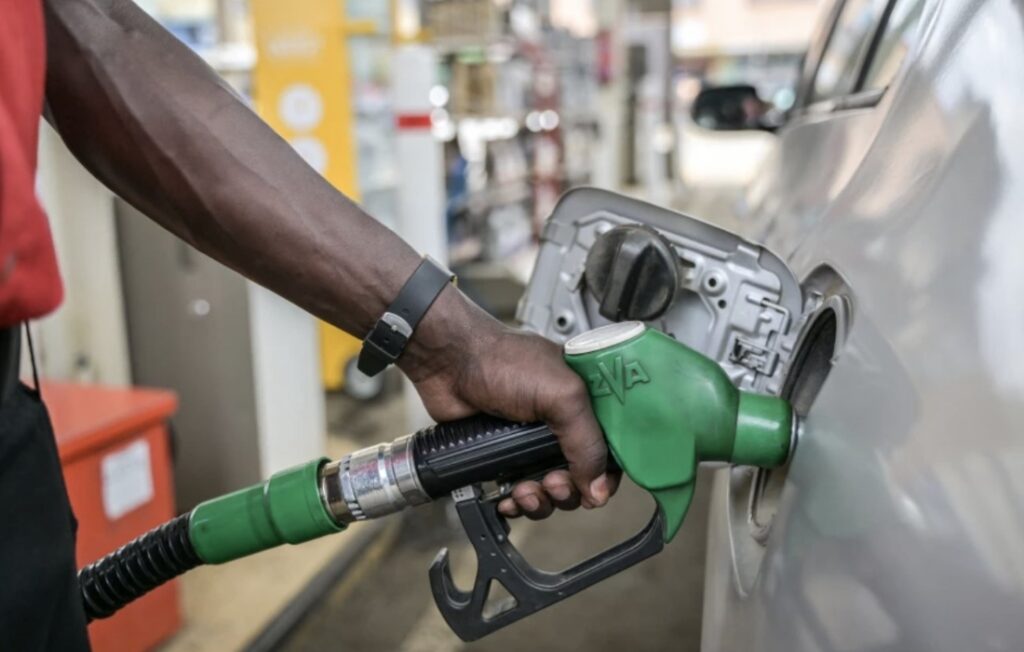
A deepening fuel shortage is wreaking havoc on Kenyan commuters, with motorists and boda boda riders scrambling to secure limited petrol and diesel supplies.
Scenes of desperation have emerged nationwide, with drivers in Karatina, Nyeri, Kisumu, and along Nairobi’s Mombasa Road spending hours searching for fuel at dried-up stations.
In Western Kenya, boda boda riders staged protests over alleged hoarding by fuel retailers.
Unauthorized Fuel Consignment Worsens Kenya’s Nationwide Shortage. Photo: Courtesy.
Transport operators are also feeling the pinch.
Matatu fares on the Nairobi–Nakuru route for example have surged from Ksh450 to as high as Ksh700 as drivers struggle to access fuel supplies.
Transport saccos cite mounting fuel sourcing challenges as the primary driver of the steep fare hikes, warning that the matatu sector is under severe pressure.
The crisis is compounded by troubling revelations from Energy Cabinet Secretary Opiyo Wandayi regarding an unauthorized 60,000-metric-tonne fuel consignment.
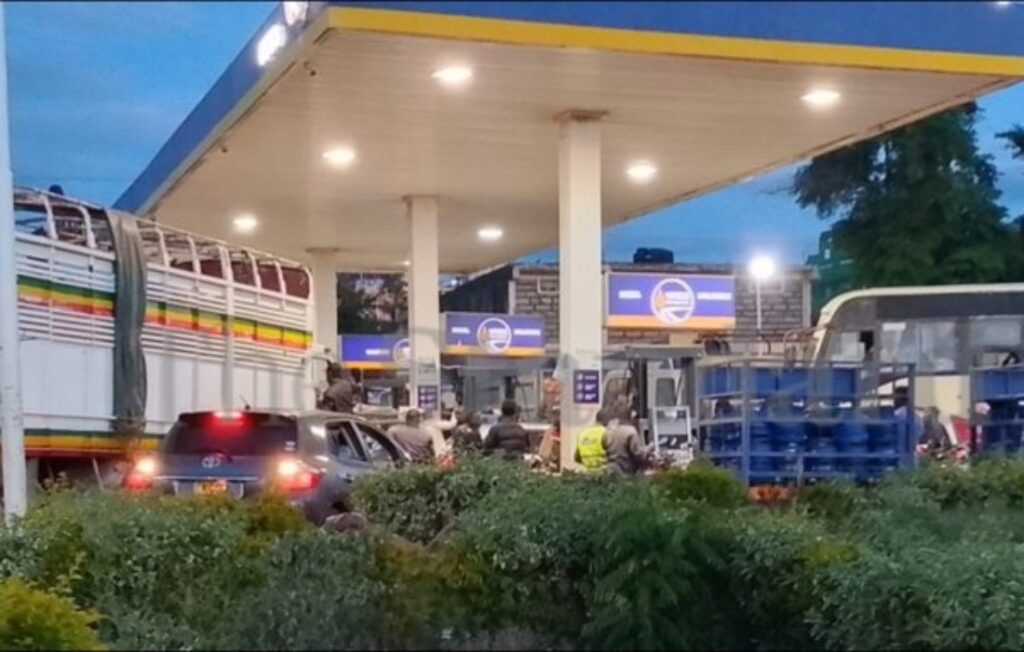
Unauthorized Fuel Consignment Worsens Kenya’s Nationwide Shortage. Photo: Courtesy.
Meanwhile, the Petroleum Outlets Association of Kenya Chair, Martin Chomba, warned that the upcoming April 14 fuel pricing review could see prices rise by Ksh30 to Ksh60 per litre, potentially pushing petrol to Ksh231.68 per litre.
Global supply disruptions linked to the ongoing conflict between the United States, Israel, and Iran have also worsened the situation, affecting petroleum imports and deliveries.
Analysts warn that if distribution and supply challenges persist, transport costs and business operations will continue to be heavily impacted, while households face rising expenses for fuel-dependent goods and services.
Despite the panic, the government insists that national fuel stocks remain sufficient.
CS Wandayi urged Kenyans not to engage in panic buying, emphasizing that localized shortages and distribution bottlenecks are driving the current crisis rather than a nationwide supply collapse.