
Detectives from the Banking Fraud Investigation Unit (BFIU) have arrested an accountant, Amos Fikiri Ruwa, over a scheme that caused Sacco to lose more than Ksh16 million.
According to the Directorate of Criminal Investigations (DCI), Ruwa, a former Sacco accountant, allegedly authorized fraudulent cheque transactions using members’ accounts.
Investigations indicate he worked with external accomplices to carry out the scheme.
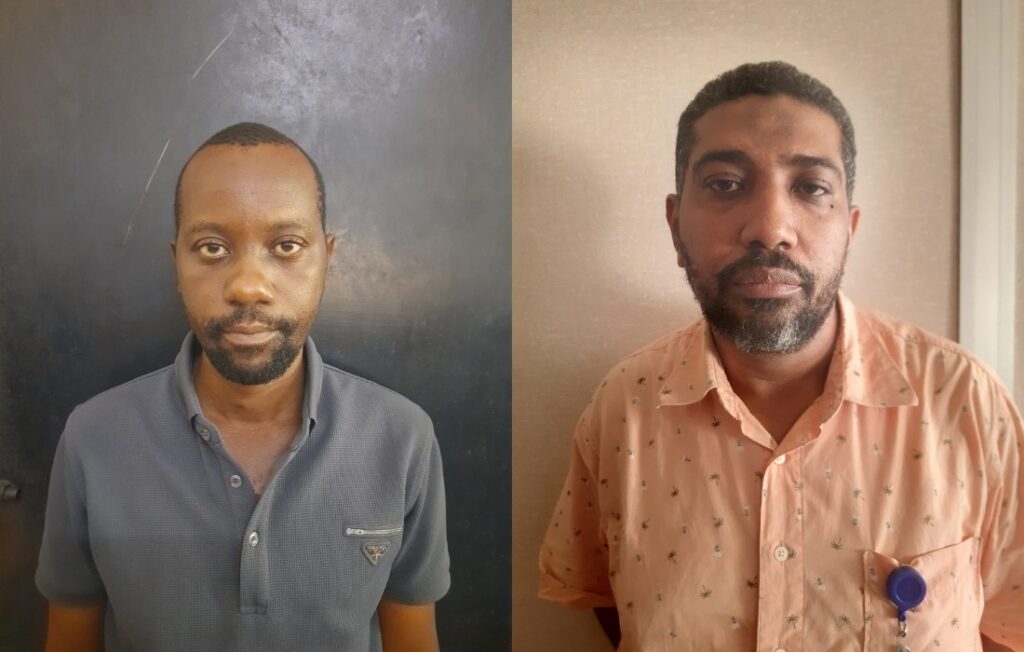
BFIU Arrests Accountant Over Ksh16 Million Sacco Fraud. Photo: Courtesy.
The arrest follows meticulous inquiries by BFIU detectives, highlighting the ongoing crackdown on financial fraud within Kenya’s cooperative sector.
The fraudulent scheme initially caused a loss of Ksh6,852,166, followed by additional transactions totaling Ksh9,161,000, bringing the total loss to Ksh16,013,166.
Investigations by BFIU detectives revealed that Ruwa conspired with Mohamed Abdulrahman, a businessman and director of a construction company, to carry out the scheme.
A total of 58 cheques were fraudulently issued, cleared, and deposited into Abdulrahman’s accounts and those of other members.
Forensic analysis linked forged withdrawal slips to Ruwa, showing that portions of the funds were siphoned off and the cheques were deliberately omitted from the cheque ledger to conceal the fraud.
Abdulrahman was arrested on January 17, 2026, and presented in court. Ruwa was apprehended on Saturday, February 14, and is currently in custody pending arraignment.
The arrests follow a recent DCI operation in which a suspected cybercriminal was arraigned for defrauding a leading microfinance institution of over Ksh11.4 million.
In a statement, DCI revealed that cyberfraud suspect Seth Mwabe Okwanyo, also known as Seth Onyango Odhiambo, exploited system vulnerabilities to execute multiple concealed transactions and attempted to erase his digital footprints.
Detectives from the Banking Fraud Investigation Unit (BFIU) arrested and arraigned him for orchestrating a scheme that defrauded a leading microfinance institution of Ksh11.4 million.
The case was initiated following a formal complaint from the financial institution, which had detected suspicious activity within its systems, prompting a full-scale investigation by the agency.