
Kenyan exports are set to benefit from expanded access to the Chinese market following the introduction of a new zero-tariff arrangement.
In a statement issued on Friday, May 1, the Ministry of Trade Kenya announced that the agreement grants duty-free access to 98.2% of Kenyan exports to China.
The ministry noted that the policy takes effect immediately and applies to most goods covered under the Kenya–China Early Harvest Agreement, significantly reducing trade barriers for local exporters.
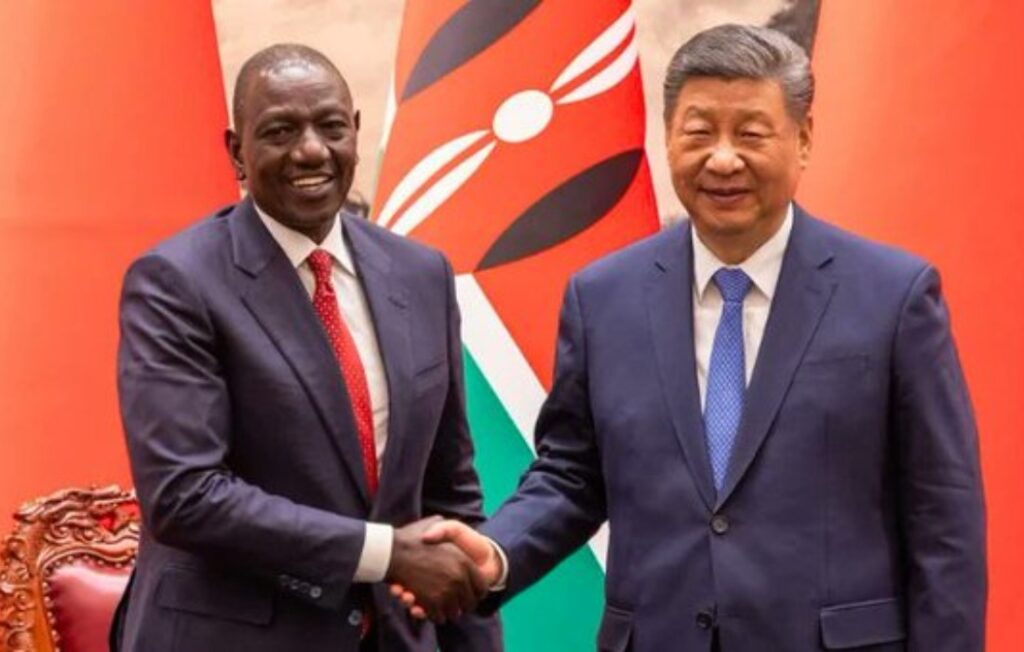
Kenya secures zero-tariff access to Chinese market for exports. Photo: Courtesy.
Officials went on to disclose that the development marks a major shift in Kenya’s export trajectory, opening up opportunities in one of the world’s largest consumer markets.
The move is expected to boost trade volumes, enhance competitiveness of Kenyan products, and strengthen economic ties between Nairobi and Beijing.
According to the Ministry of Trade, Kenya continues to face a significant trade imbalance with China despite steady growth in bilateral trade.
Data from 2025 shows imports from China reached USD 5.19 billion, while exports to China stood at about USD 130.68 million, leaving a deficit of over USD 5.06 billion.
The ministry noted that the zero-tariff agreement is intended to help narrow this gap by increasing export volumes, improving foreign exchange inflows, and supporting job creation across key sectors.
Following the development, the government identified priority exports expected to benefit immediately, including tea, coffee, avocados, macadamia nuts, fresh horticultural produce, as well as minerals such as titanium ores, zirconium, and manganese, alongside leather, natural resins, and processed agricultural goods.
Exporters have also been urged to comply with strict market requirements, including registration with relevant authorities and China’s customs agency, adherence to sanitary and phytosanitary standards, proper Chinese-language labelling, traceability systems, and complete export documentation.
The Ministry moreover highlighted that government agencies are working closely with exporters to help them meet required standards and access the Chinese market more efficiently.
It noted that ongoing reforms aim to streamline certification and customs procedures to ensure businesses can fully benefit from the zero-tariff framework without administrative delays.
The government also asked local businesses to take advantage of the opportunity by scaling up production, investing in value addition, and strengthening compliance with international standards to remain competitive in the Chinese market.

