
The Kenya Revenue Authority (KRA) has introduced a new cargo tracking framework aimed at improving the monitoring of goods under Customs control, reducing delays and enhancing cross-border trade.
In a statement issued on Tuesday, October 27, 2026, the authority announced the rollout of a Multi-Vendor User-Owned Electronic Seals Framework, which changes how electronic cargo tracking devices are supplied, owned and managed.
The new framework replaces the single-vendor arrangement that KRA has relied on since 2017, allowing vendors and cargo users to own and manage electronic seals based on their commercial agreements.
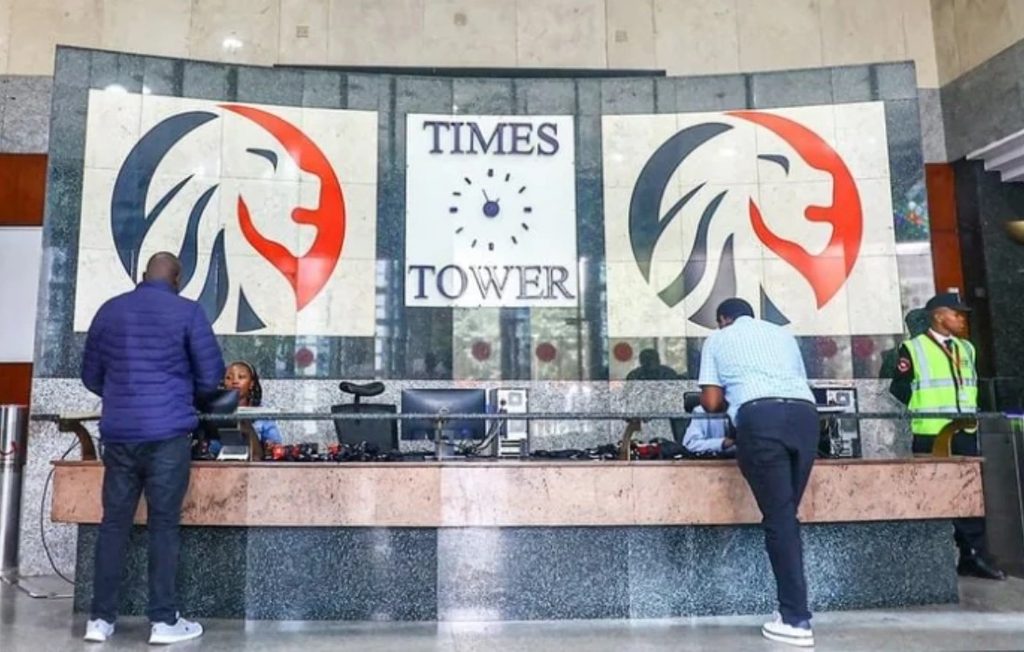
The Kenya Revenue Authority office. Photo: Courtesy.
KRA said the changes followed consultations with industry stakeholders and sought to address operational challenges, including shortages of electronic seals at cargo tagging points and the use of ageing devices that may not function efficiently.
Under the new model, cargo owners and other users can select participating service providers and negotiate arrangements that suit their operational needs.
All electronic seals deployed under the framework will integrate with the East African Community Regional Electronic Cargo Tracking System (RECTS), enabling real-time monitoring and end-to-end visibility of goods moving under Customs control.
The authority said electronic cargo tracking technology had helped reduce cargo diversion, smuggling and theft by enabling authorities to monitor consignments throughout their journeys.
KRA expects the multi-vendor arrangement to improve the availability of electronic seals on demand, particularly at cargo tagging points where shortages have contributed to queues and processing delays.
The framework is also expected to encourage competition among service providers, giving cargo owners greater flexibility in accessing tracking services.
Additionally, improved device performance could reduce unnecessary tracking alerts and enforcement interruptions, helping speed up cargo clearance and improve turnaround times.