
N
In a notice issued on Friday, November 6, the tax authority outlined the products that cannot be cleared under the framework, while identifying other categories that may qualify subject to specific conditions.
The exclusions cover assorted foodstuff, complete kitchens, designer brands for finished manufactured products, plant and machinery, smartphones, watches, second-hand clothes and shoes.
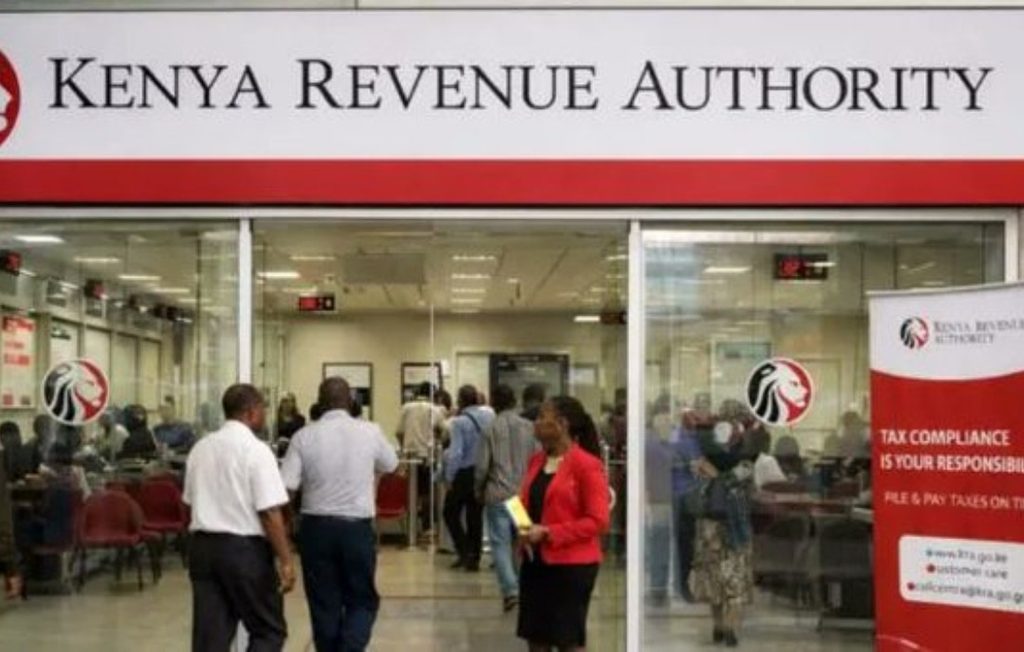
The Kenya Revenue Authority (KRA). Photo: Courtesy.
Other restricted items include wooden, steel and aluminium doors, televisions, car accessories, musical instruments, public address systems, entertainment equipment and sanitary ware.
The authority also listed car audio systems, speakers, dash cameras, reversing cameras, parking sensors and GPS navigation devices among the excluded products.
However, KRA clarified that certain goods could still qualify for consolidated clearance if importers meet prescribed requirements.
These include cables, ready-made garments, fabrics, beddings, household linen, carpets, cosmetics, toiletries, beauty products, new motorcycle spare parts, new shoes and terry towels.
Other conditionally accepted products include auto paints, epoxy, padlocks, curtain accessories, door locks, hardware products, bathroom accessories, computer accessories and mobile phone accessories.
KRA outlined three conditions governing the clearance of these goods.
First, the aggregate volume of items listed under categories 12 to 30 must not exceed five per cent of the total cargo volume, measured in cubic metres.
Second, importers must fully declare all affected goods in the invoice, customs entry and importer list, indicating the description and quantity of each item.
Third, the goods must undergo customs valuation using the applicable procedures and unit values.
The authority said the guidelines were intended to help cargo clearance stakeholders understand the requirements and ensure compliance with the framework.

