
The Ministry of Health has announced a temporary shortage of the Rotavac Frozen rotavirus vaccine, which is routinely administered to infants at 6, 10, and 14 weeks of age.
In a public notice issued on Friday, March 6, Health Cabinet Secretary Aden Duale said the disruption is linked to challenges in the global supply of the vaccine.
According to the ministry, the manufacturer, Bharat Biotech, is currently experiencing production delays as it undertakes facility upgrades, a situation that is expected to affect vaccine deliveries for the 2026–2027 period.
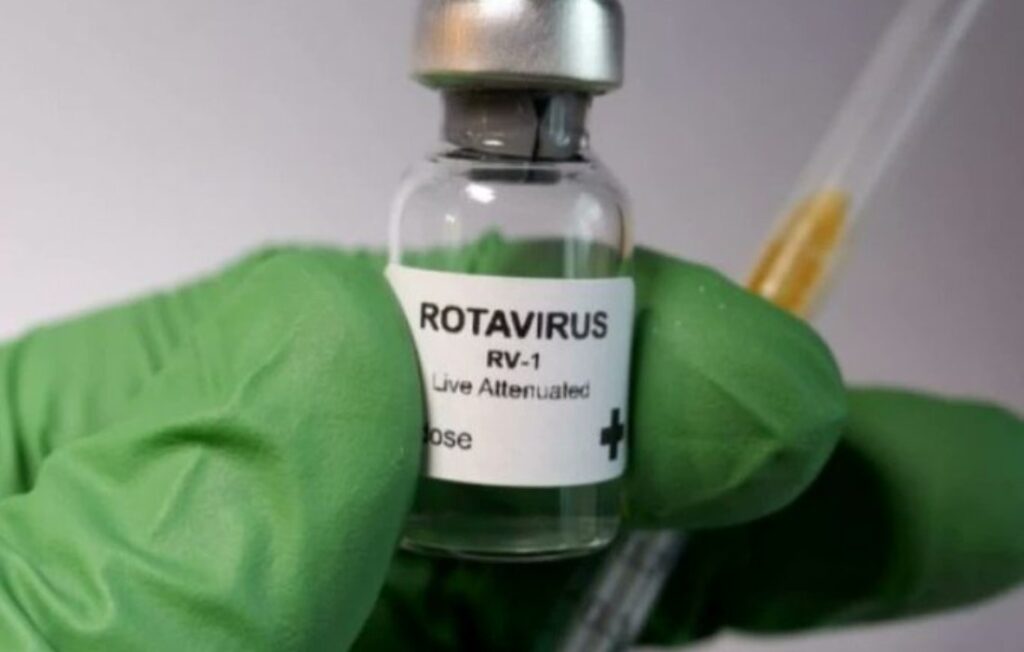
Rotavac Supply Shortage Reported in Infant Immunisation Programme. Photo: Courtesy.
The ministry added that it was informed of the delay through Gavi, the Vaccine Alliance, which coordinates vaccine procurement and distribution for several countries.
The Health Cabinet Secretary said the country currently has about 4,000 doses of the vaccine at the national level, an amount estimated to last less than one month.
According to Duale, a shipment that was expected in January 2026 has been delayed, with the earliest possible arrival now projected for the end of April 2026.
He assured parents with infants that the Ministry of Health is working closely with UNICEF and other partners to expedite vaccine deliveries, redistribute the limited doses across counties, and closely monitor stock levels.
The ministry also noted that it is collaborating with global partners to restore normal vaccine supply and minimize disruption to immunisation services.
Duale also urged parents and caregivers to continue taking children for routine immunisation visits while strengthening measures to prevent diarrhoeal diseases.
The announcement comes months after the country experienced shortages of BCG and Oral Polio Vaccine (OPV) doses in several regions.
At the time, at least 12 of the 47 counties had completely run out of the vaccines, with the Ministry of Health attributing the situation to global supply bottlenecks that were affecting multiple countries.
Health Principal Secretary Ouma Oluga noted that the low stock levels were largely linked to disruptions in the global vaccine supply chain.
The situation eased in June 2025 when the country received new supplies, after which Health Cabinet Secretary Aden Duale oversaw the distribution of 6.2 million doses to counties.