Kenya’s long-serving opposition leader, Raila Odinga, will be laid to rest in his rural home in Bondo, Siaya County, in a ceremony combining both state and traditional rites.
According to the State Funeral Committee, the burial will follow Anglican Church traditions.
However, as a revered Luo elder and national figure, a series of customary rituals unique to the Luo community have already begun to mark his symbolic journey to the ancestral realm.
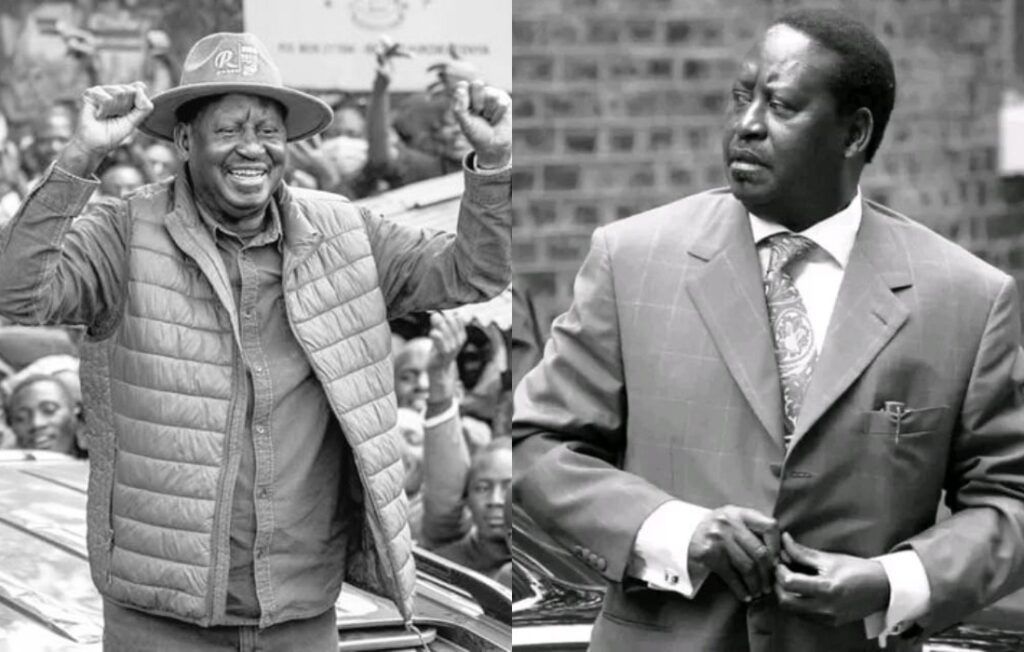
Kenya’s Veteran Opposition Leader Raila Odinga to Receive State and Traditional Burial Rites. Photo: Courtesy.
In Luo culture, the mourning journey begins with Tero Ywak — the ritual announcement of death. This deeply symbolic ceremony ushers in a period of collective grief.
Traditionally, the deceased’s wife is the first to cry out, her wails signaling the community to join in mourning.
As the sorrowful echoes spread, drums are beaten and messengers move from home to home to deliver the news.
The timing of this ritual varies, often reflecting the deceased’s age, gender, and standing within the community.
After the announcement of death, family members and elders begin preparations for the body, which involves washing and dressing it in clean, often formal or traditional clothing.
The ritual is carried out by close relatives of the same gender as the deceased.
Once prepared, the body is placed inside the house or in a specially designated hut, where relatives, friends, and neighbours gather to pay their final respects.
Night vigils, or arita, follow the announcement of death.
Relatives and villagers gather to mourn, sing dirges, and celebrate the life of the departed.
Fires known as magenga are lit outside to keep mourners warm and symbolically comfort the spirit.
The vigils continue until the burial day.
On the eve of the funeral, the body is briefly taken to specific houses within the homestead — the mother’s house if the man died at his parents’ home, or his own house if he had established one.
In Luo tradition, graves are dug beside the main house — on the right for men and the left for women. A senior elder leads the burial, offering prayers, blessings, and libations to honour the ancestors and guide the spirit’s journey.
After burial, the Tero Buru ritual is performed to cleanse the homestead. Men and boys parade with cattle, blowing horns and singing to ward off evil and celebrate unity.
A few days later, relatives take part in the liedo (shaving ceremony), led by the deceased’s elder sister, symbolising purification — often performed near rivers to mark renewal.