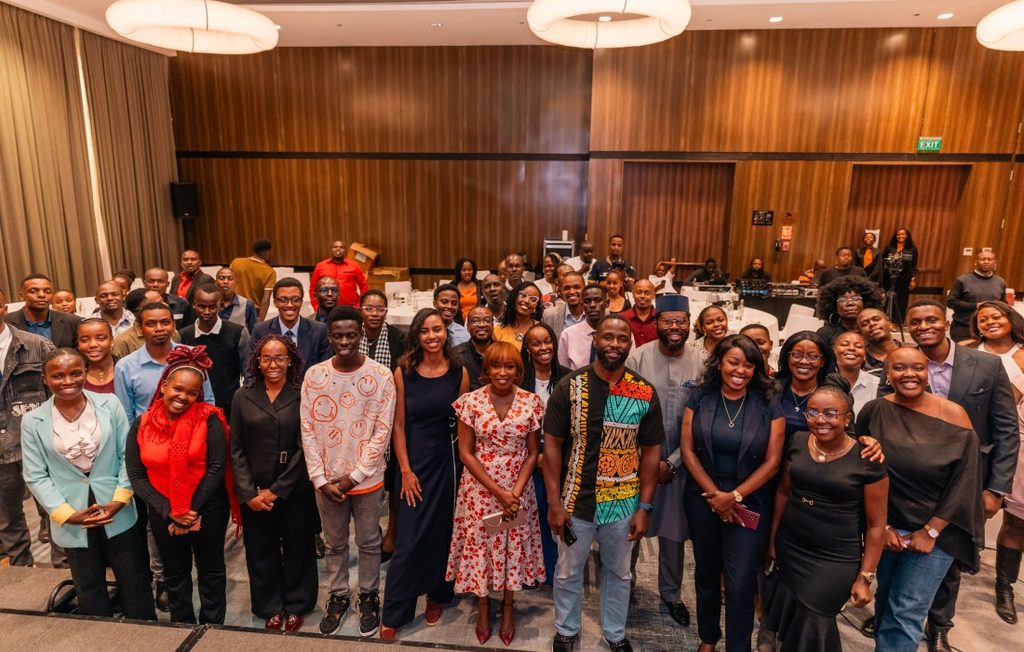
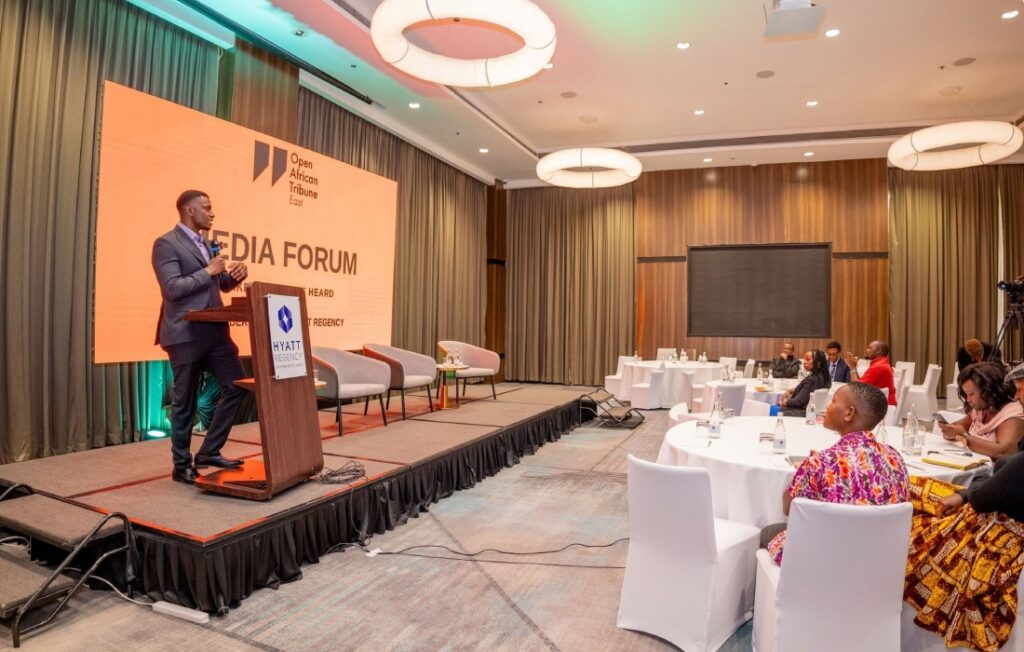
African journalists have been urged to prioritise accuracy, accountability and editorial independence to restore public trust in the media amid growing challenges in the industry.
The call was made during the inaugural Open African Tribune East (OAT East) Media Forum held on Thursday, October 29, 2026, at Hyatt Regency Nairobi, Westlands.
The first edition of the forum brought together journalists, media leaders and industry stakeholders to examine the challenges and opportunities shaping the future of journalism in East Africa.
Held under the theme Connecting Journalists to Shape Africa’s Story, the event provided a platform for media practitioners to exchange ideas on the changing media landscape and the importance of telling African stories from authentic continental perspectives.
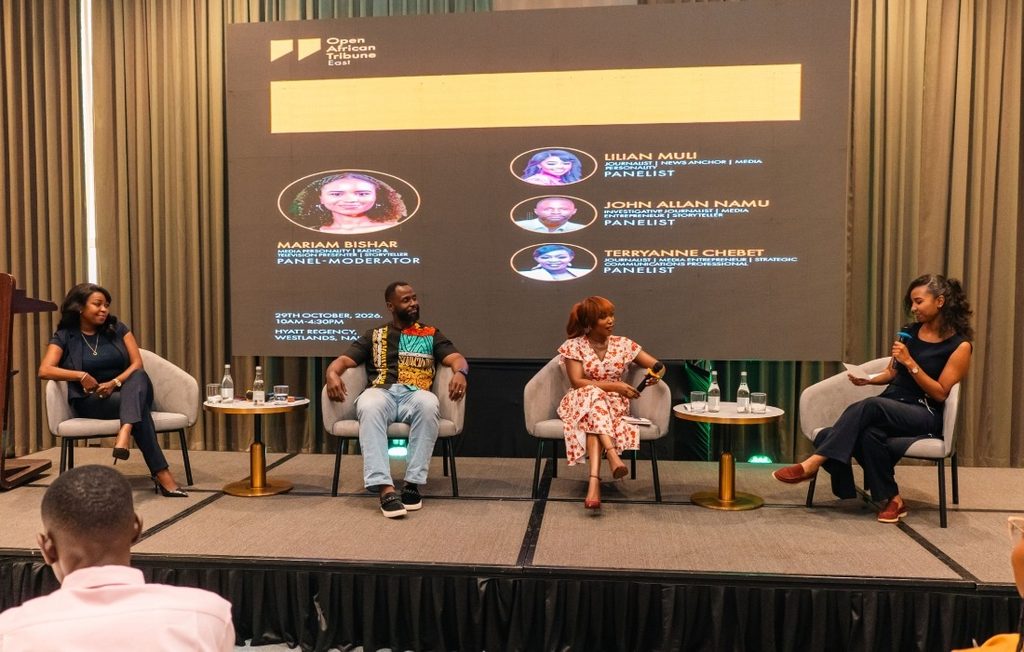
The highlight of the event was a leadership panel discussion titled The Future of Journalism in East Africa, moderated by Mariam Bishar and featuring journalist John Allan Namu and media personalities Lilian Muli and Terryanne Chebet.
The discussion explored several issues affecting the media industry, including the growing use of artificial intelligence (AI) in newsrooms, declining public trust, editorial independence, commercial sustainability and threats to media freedom.
The panellists also examined the skills young journalists need to remain relevant in an increasingly digital media environment.
During the discussion, the speakers emphasised the need for journalists to uphold professional standards and prioritise factual reporting over the pressure to break news first or attract online engagement.
John Allan Namu challenged media practitioners to invest more in accuracy and take responsibility for misconduct within the industry.
He noted that journalists should focus on getting stories right rather than competing to publish information before other media platforms.
Terryanne Chebet on the other hand highlighted the declining public confidence in the media, describing it as a global challenge that requires journalists to consistently demonstrate professionalism and accountability.
She also challenged journalists to move beyond surface-level reporting by questioning headlines and investigating the issues behind them.
Lilian Muli urged journalists to verify their sources and avoid sensational headlines that prioritise emotions and online reactions over facts.
She maintained that journalism should remain grounded in factual reporting and the responsibility to ask difficult questions.
The panel discussion also provided an opportunity for attendees to participate by asking questions, sharing their experiences and contributing their perspectives on issues affecting the media industry.
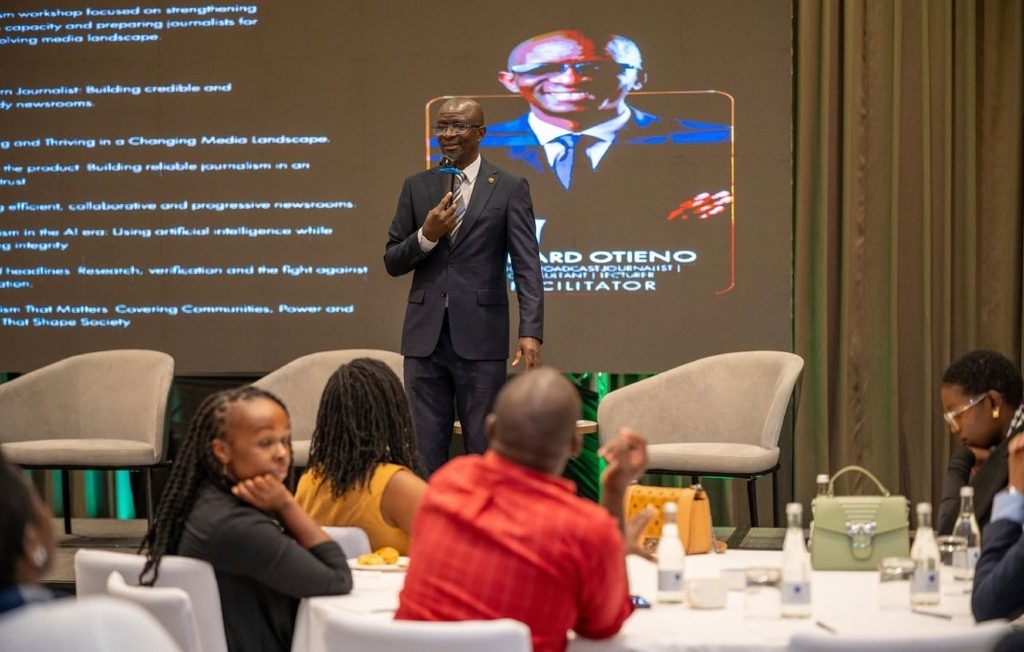
Bernard Otieno Leads Workshop on Modern Journalism
The forum also featured a morning journalism workshop facilitated by Bernard Otieno, a senior broadcast journalist, consultant and lecturer.
The workshop, titled The Modern Journalist: Building Credible and Future Ready Newsrooms, focused on strengthening newsroom capacity and preparing journalists for the evolving media landscape.
Otieno guided participants through six key areas, including surviving in a changing media environment, rebuilding public trust, developing efficient and collaborative newsrooms and using artificial intelligence while maintaining journalistic integrity.
Other areas explored included research, verification, combating misinformation and the role of journalism in covering communities, power and issues shaping society.
The session provided an opportunity for journalists to reflect on their professional responsibilities and the skills needed to navigate changes in the media industry.
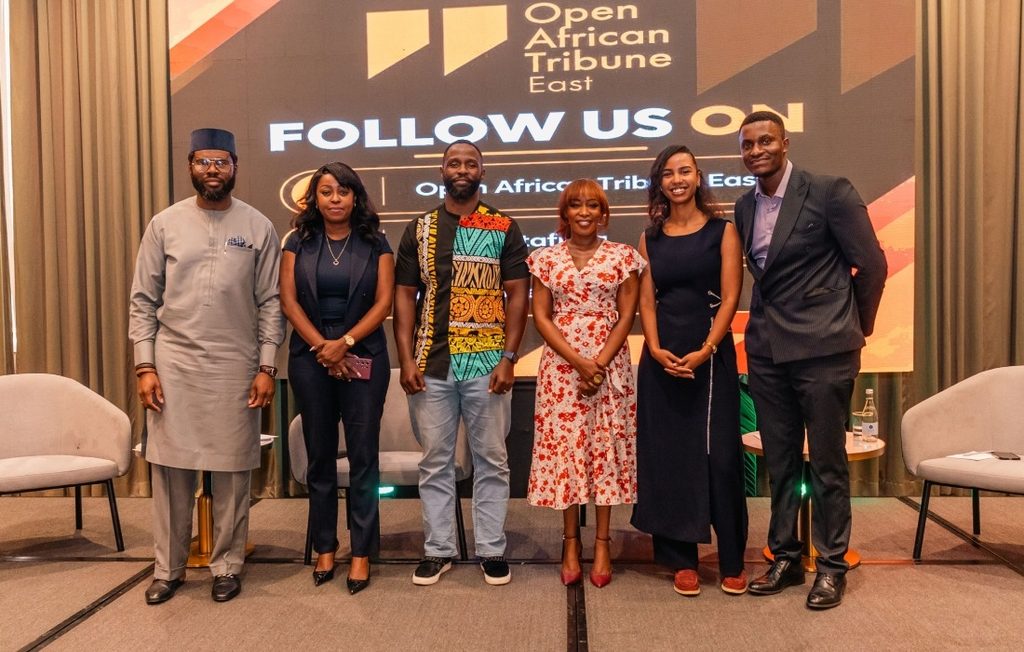
OAT East Explains Its Approach to African Storytelling
Speaking during an interview on the sidelines of the forum, Open African Tribune Editor-in-Chief Naakuu Paul Birabi stated that the publication seeks to promote storytelling that reflects the shared experiences and realities of people across the continent.
Birabi explained that the organisation adopted a continental approach because young people across African countries face similar social, economic and geopolitical challenges.
He also disclosed that Open African Tribune launched in 2025, beginning its operations in Nigeria before expanding its coverage to East Africa.
According to Birabi, the publication prioritises substance and in-depth reporting over presentation, encouraging audiences to engage with stories beyond the headlines.
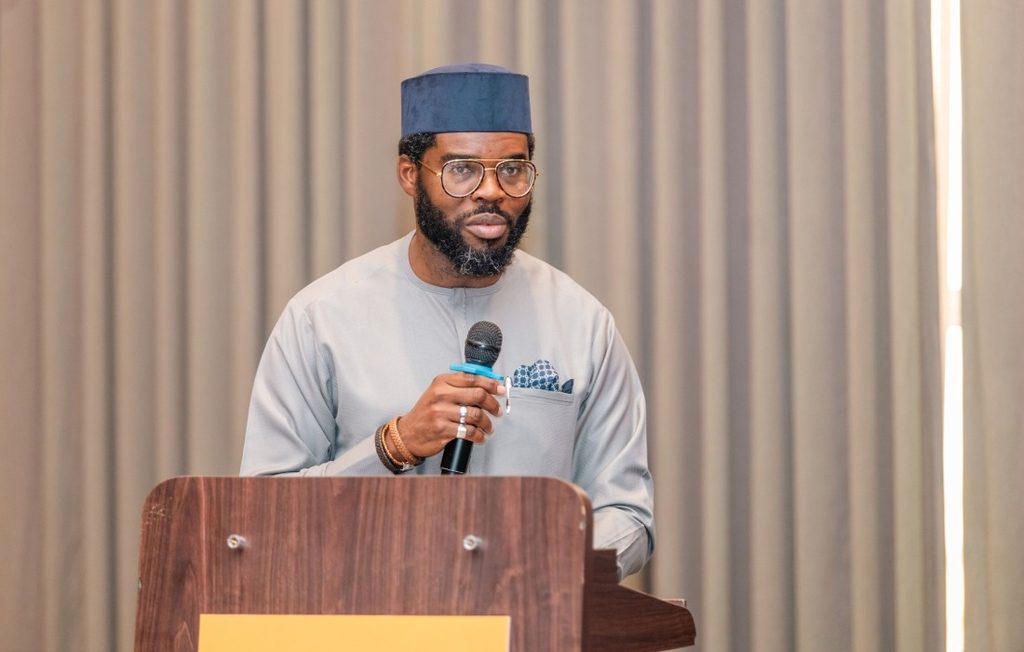
Forum Highlights Need for Stronger Media Standards
The discussions reinforced the need for media organisations to invest in verification, ethical reporting, mentorship and sustainable business models without compromising editorial independence.
Participants also highlighted the importance of audiences developing stronger habits around evaluating and verifying the information they consume.
OAT East noted that the inaugural forum forms part of its commitment to strengthening connections among journalists and supporting credible, independent journalism that reflects African experiences.
The organisation intends to continue engaging media practitioners and stakeholders on issues affecting newsrooms and the future of journalism across the region.