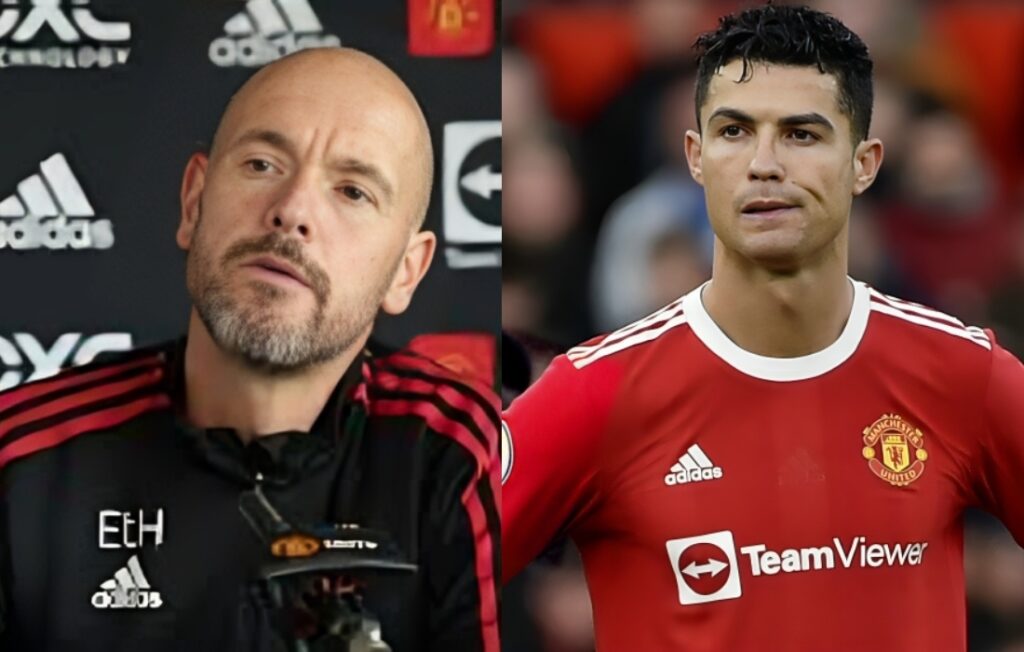
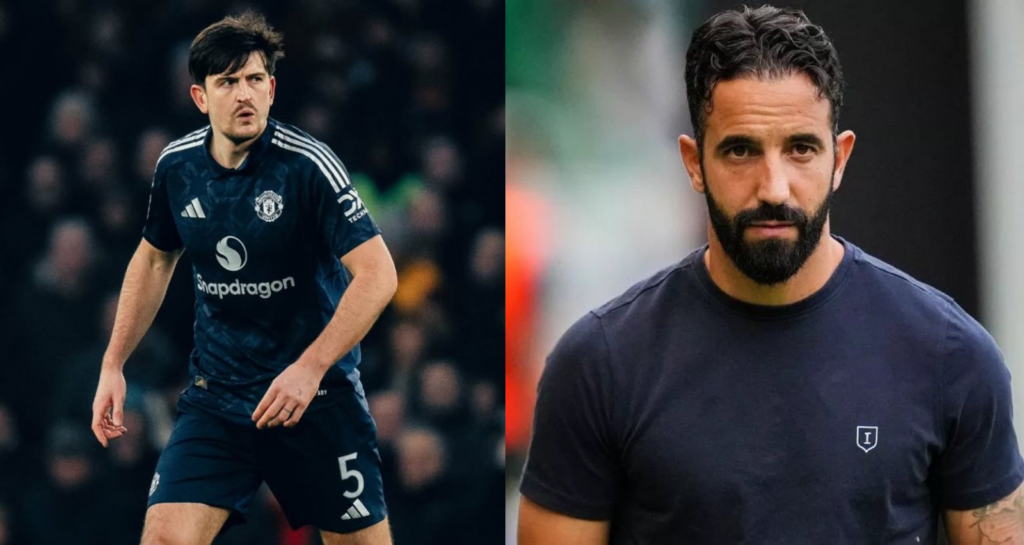
With Manchester United trailing 1-0 to Nottingham Forest and needing to score to avoid a 13th defeat of the season, manager Ruben Amorim turned to his bench and brought on Harry Maguire.
Earlier, he had substituted Joshua Zirkzee—who had scored three league goals since his £36.5 million transfer to Old Trafford last summer—in favor of Rasmus Hojlund, who has contributed 13 league goals since United spent £72 million on him in 2023.
With limited attacking options available, Amorim resorted to a tactic familiar to coaches at all levels: bringing on a big man, Harry Maguire.
In fairness, Harry Maguire nearly made an impact as a makeshift striker; his effort in the seventh minute of injury time beat goalkeeper Matz Sels but was cleared off the line by fellow center-back Murillo.
Remarkably, Maguire had more shots on target during his nine-minute cameo (one) than Zirkzee, who played for 78 minutes (zero), and Hojlund, who had not registered a shot after coming on at halftime (zero).
This situation exemplifies United’s desperation: a 32-year-old center-back was their most threatening player in the opposition penalty area.
“We tried to create good opportunities, but in the final third, the last pass or assist wasn’t there. Without that, we cannot score goals,” Amorim told reporters.”This season has been like that for us. We have had many shots on goal and pressed the opponent into their last third, but we lack quality in the final moments.”
Goals are clearly a significant issue for United—they have scored only 37 in 30 league games this season and are on track to surpass their lowest Premier League goal total of 49, set in the 2015-16 season.