
Kenya’s Trade Cabinet Secretary, Lee Kinyanjui, has revealed that the country’s export sector is facing significant disruptions due to global shipping challenges linked to the ongoing war in the Middle East.
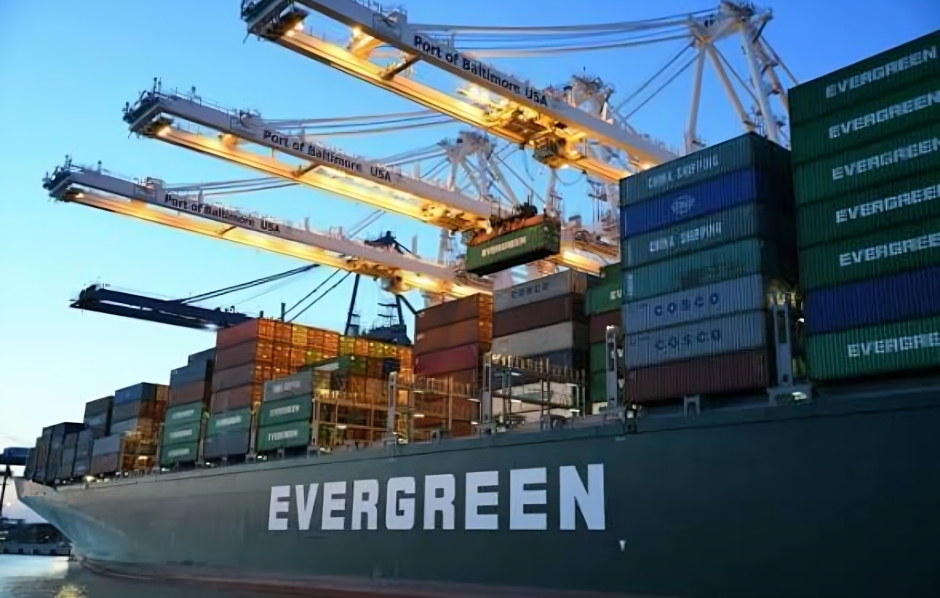
In a statement on April 21, 2026, the Trade CS said the disruptions affecting the Red Sea and Gulf trade corridors have led to the restriction of key routes, with transit times rising to 20 days in a 10-day increase.
According to Kinyanjui, air cargo operations have also been hit, with some shipments experiencing delays of up to 48 hours.
“The crisis has led to the suspension and restriction of key maritime and air cargo routes through the Red Sea and Gulf corridors. As a result, transit times have increased by 10 to 20 days, affecting delivery timelines and freight costs have risen,” the CS stated.
He also said that the delays are affecting key export markets and supply chains, particularly for time-sensitive goods such as horticulture, coffee and manufactured products.
Spoilage and delays are causing weekly losses in flower exports. In some cases, meat exports are at less than 5 percent of normal volumes.
According to Kinyanjui, the dairy sector is also experiencing disruptions in export volumes, since the Middle East accounts for up to 35 per cent of tea exports, prices are declining amid market access risks.
Effects on the labour market are expected to reduce diaspora remittances as over 400,000 Kenyans work in the Gulf in sectors such as hospitality, construction and domestic services.
Despite the challenge, CS assured that the ministry is working with airlines, shipping lines and logistics partners to secure alternative routes and maintain export flows amid the ongoing war.
He added that the government is enhancing efficiency in Mombasa and Lamu Ports, as well as accelerating the diversification of export markets within Africa, Asia, Europe and emerging markets in Latin America.