National Assembly Majority Leader Kimani Ichung’wah on Tuesday, June 2, attributed the rising cases of school fires to a pattern of student unrest influenced by wider societal behavior, including protests.
He noted that school fires frequently occur in Term Two of the academic calendar and suggested that mental fatigue and pressure among students could be contributing factors behind the incidents.
Ichung’wah further argued that some learners resort to destructive actions due to a lack of alternative, constructive ways to express frustration, urging society to reflect on its role in shaping behaviour.
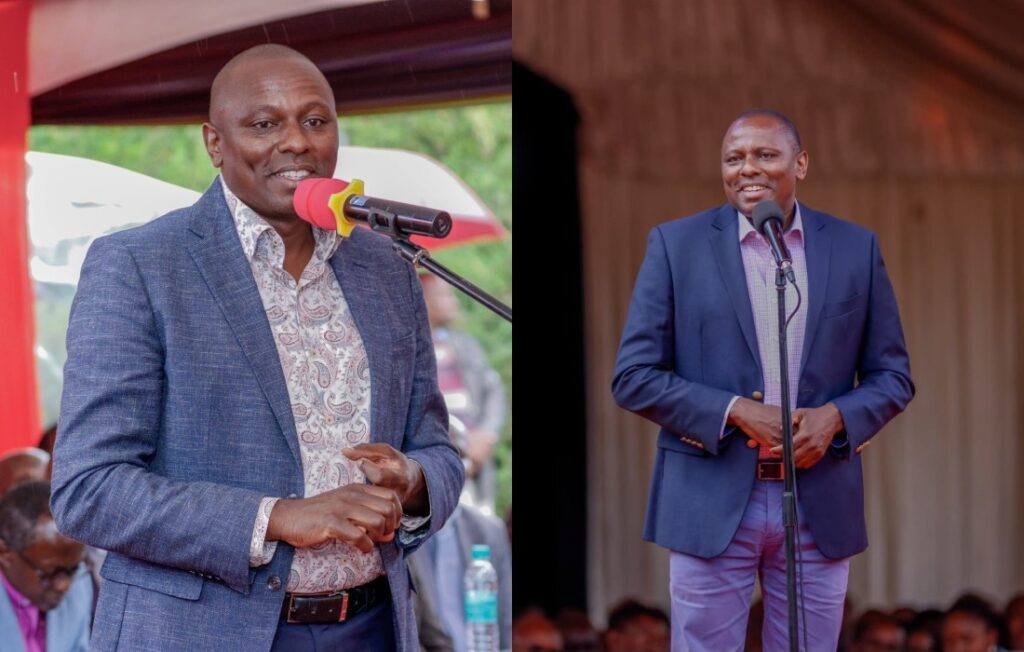
Ichung’wah questions sufficiency of fire systems in tackling school arson crisis. Photo: Courtesy.
He also raised concerns that students may be influenced by what they observe in the broader public space, including how demonstrations and protests are conducted.
The Majority Leader emphasized the need for a national conversation involving parents, schools, churches, and political leaders on how to address student unrest and prevent recurrence of such incidents.
He also questioned whether infrastructure solutions alone, such as fire detection and suppression systems, would be sufficient to address the underlying causes of the problem, suggesting that deeper social engagement is required.
Ichung’wah further criticized attempts to politicize school fire tragedies, saying such incidents should not be used for political gain, and extended condolences to families affected by recent school fire deaths, including the Utumishi Girls Academy tragedy.