
Micro, Small and Medium Enterprises (MSMEs) Principal Secretary Susan Mang’eni has explained why some beneficiaries of the National Youth Opportunities Towards Advancement (NYOTA) Project received Ksh19,000 instead of Ksh22,000 in the second tranche of funding.
Speaking during an interview, Mang’eni said the reduced disbursement affected beneficiaries who had withdrawn all the savings set aside under the programme before the project was completed.
According to the PS, about 33,000 beneficiaries fell into this category. She said the amount deducted from their second payment was redirected to their savings account, as the programme requires participants to maintain savings until the project concludes.
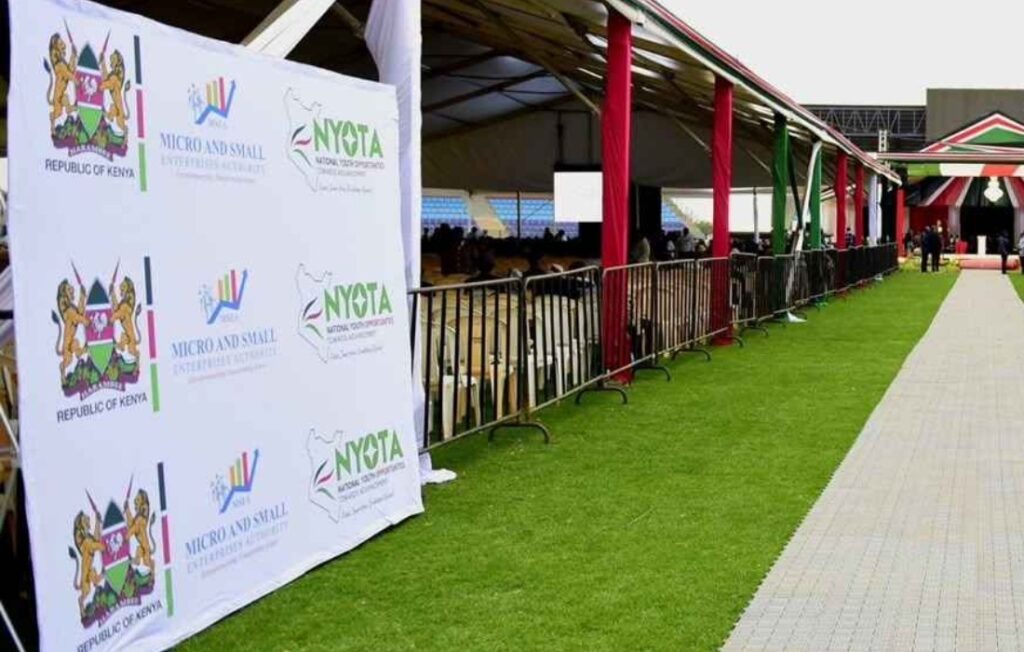
The National Youth Opportunities Towards Advancement (NYOTA). Photo; Courtesy.
Mang’eni explained that the savings component is designed to create a financial cushion for beneficiaries and encourage long-term financial security for their businesses.
Under the NYOTA programme, participants who maintain their savings will qualify for a government matching grant through the National Social Security Fund (NSSF) Haba Haba Scheme at a ratio of 2:1 once the project is completed.
She added that the affected beneficiaries were informed in advance through text messages that their second disbursement would be lower because they had withdrawn all their savings before the programme ended.
On Friday, the government released the second tranche of funding to NYOTA beneficiaries across the country.
A total of 33,269 first-time beneficiaries received funding, while 88,934 existing beneficiaries received a second tranche to help expand their businesses.
During the first phase of the programme, each beneficiary received Ksh22,000 in business support, while Ksh3,000 was deposited into the NSSF Haba Haba savings scheme.
Meanwhile, President William Ruto directed the Intergovernmental Budget and Economic Council (IBEC), in collaboration with county governments, to implement a two-year waiver on business permit fees for all NYOTA Project beneficiaries.

