
The Consumers Federation of Kenya (COFEK) has announced plans to pursue legal action over alleged dangerous and carcinogenic chemicals found in fuel linked to Kenya’s marking programme.
In a statement issued on Wednesday, April 15, the consumer lobby said it had sought independent verification to determine the accuracy of the contamination claims.
COFEK revealed that it commissioned external testing by Conti Testing Laboratories, an internationally accredited facility, to analyse fuel samples obtained from Kenya’s fuel supply chain.
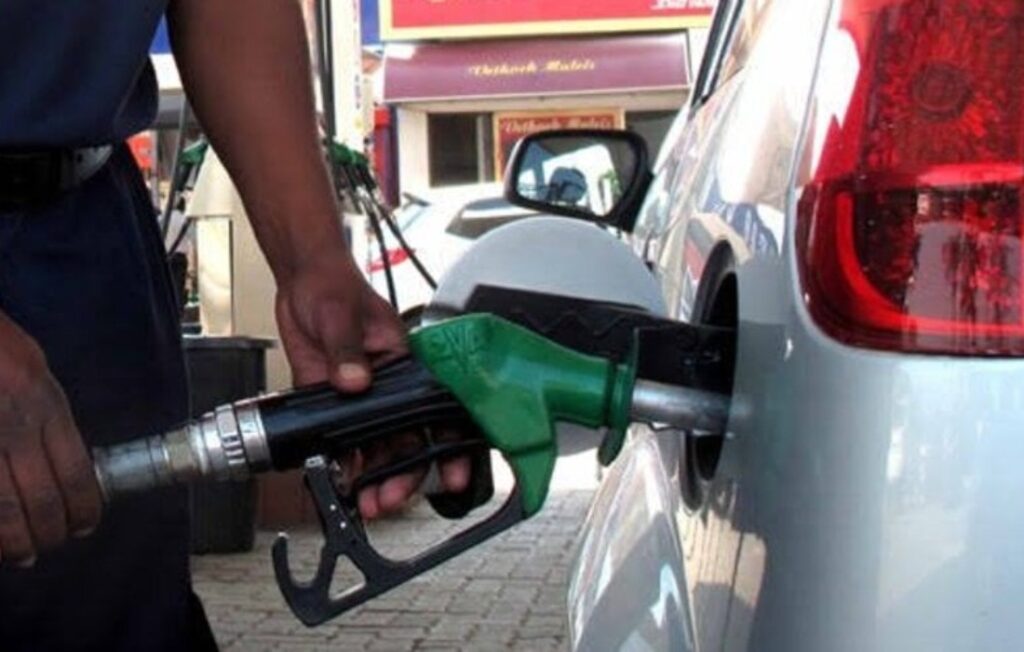
COFEK Announces Legal Action Over Alleged Carcinogenic Chemicals in Kenya Fuel Marking Programme. Photo: Courtesy.
The organisation stated that the results confirmed the presence of carcinogenic halogenated bromides in fuel intended for regional transit, as well as in fuel already distributed within the country.
It also noted that unmarked domestic fuel samples did not show similar contamination, suggesting a direct link between the issue and the marking process associated with SICPA SA.
COFEK confirmed that it will move to court to halt the continued use of the fuel marking system and hold those involved accountable.
The lobby group indicated that it plans to file legal proceedings on Thursday, April 16, 2026, seeking a permanent ban on Swiss firms SICPA SA and SGS from operating within Kenya’s fuel sector.
COFEK said the case will be anchored on allegations of unethical and unfair trade practices, anti-competitive conduct that it claims fostered a monopoly, and actions that have adversely affected both the economy and public health.
The organisation argued that the matter extends beyond commercial misconduct, describing it as a significant breach of public trust and a threat to public safety, with serious implications for citizens’ livelihoods.
They went on to insist that fuel safety is a fundamental public interest, warning that the alleged presence of carcinogenic substances in fuel constitutes a serious breach of consumer rights, public health standards, and constitutional protections.
The organisation also raised security concerns, arguing that the fuel marking system may be vulnerable if its chemical composition can be easily analysed and potentially bypassed by illicit actors.
COFEK said it will pursue both civil and criminal action over the matter, including plans to initiate private prosecution against individuals of interest.
It also called on the Energy and Petroleum Regulatory Authority to urgently suspend the fuel marking programme, recall and test affected fuel, and ensure full transparency regarding the chemicals used, stressing the public’s right to accountability in matters affecting health and safety.