
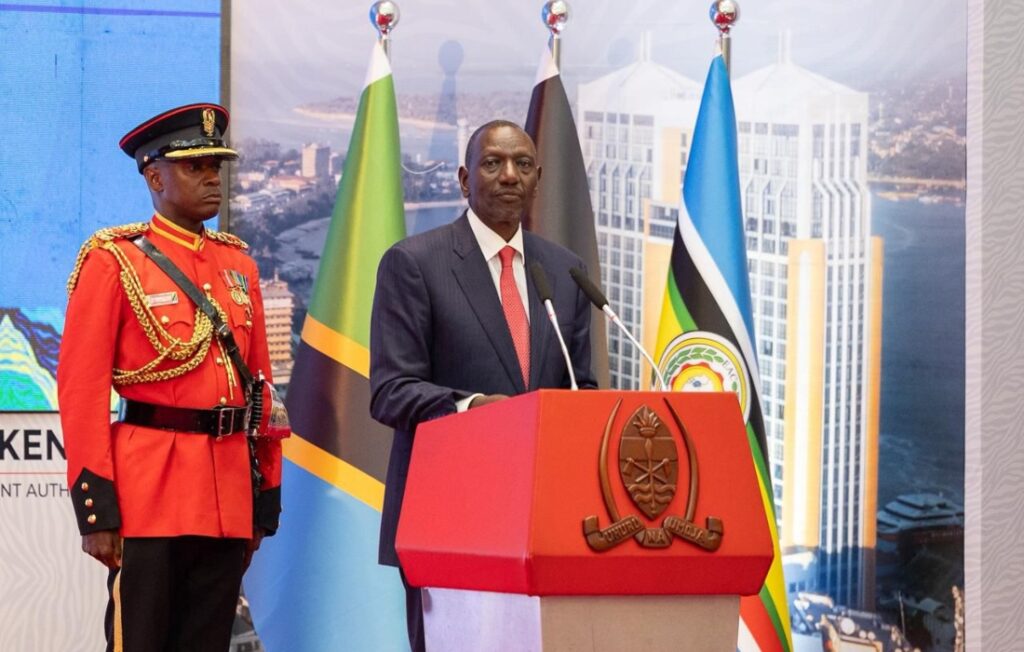
President William Ruto has clarified the proposed plan to establish a joint oil refinery in Tanga, Tanzania, following remarks by President Samia Suluhu indicating she had not been consulted.
Speaking on Monday, May 4, during a joint press briefing, President Suluhu revealed that she had sought clarification from Ruto regarding the announcement, raising concerns over the lack of prior consultation.
In response, President Ruto explained that the proposed Tanga refinery forms part of broader regional discussions aimed at leveraging local resources and accelerating industrialisation efforts across East Africa.
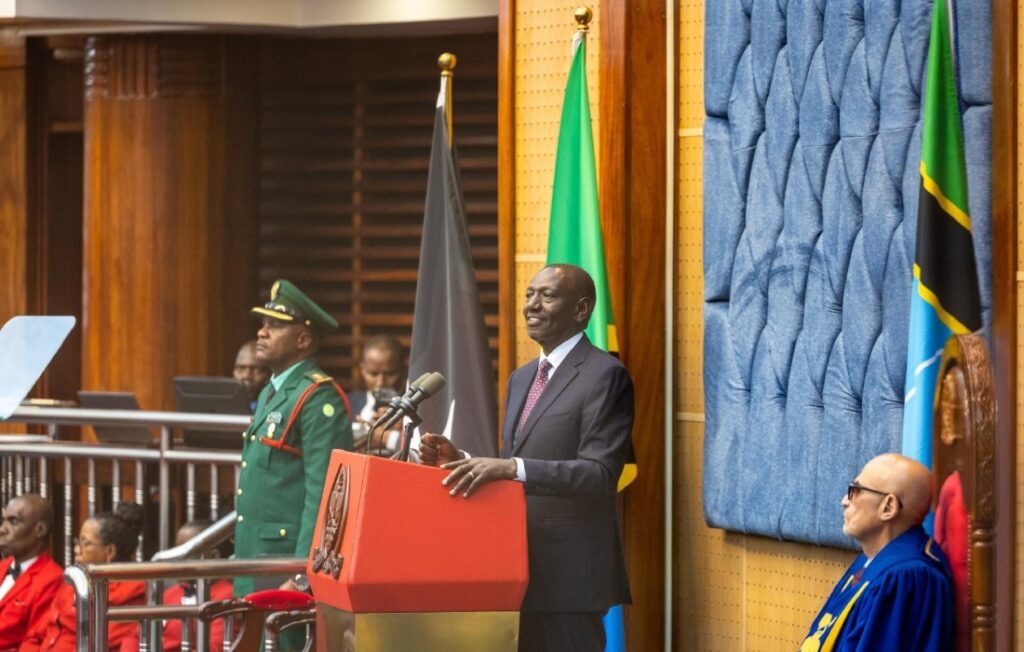
President Ruto responds after Suluhu distances herself from the Tanga Refinery plan. Photo: Courtesy.
Ruto noted that Ugandan President Yoweri Museveni and Rwanda’s President Paul Kagame have expressed interest in investing in the proposed Tanga oil refinery, signalling growing regional backing for the project.
He explained that the initiative is aimed at unlocking broader economic opportunities, including the growth of petrochemical, fertiliser, and plastics industries, as part of efforts to accelerate industrialisation across East Africa.
Ruto further pointed out that discussions with regional leaders have focused on leveraging local resources to drive economic transformation, adding that the proposal aligns with a shared vision of strengthening value addition within the region.
He also highlighted advice from the private sector, which has cautioned against the continued export of raw materials, noting that such practices result in the loss of jobs, investment opportunities, and overall economic value, while increasing reliance on imported goods.
The President added that he had engaged President Samia Suluhu on the matter, with Tanzania being considered to take a leading role in the proposed construction of the refinery in Tanga.
The Kenyan Head of State noted that Tanga’s proximity to Mombasa could ease the distribution of refined petroleum products across the region.
He emphasised the need to reduce reliance on exporting crude oil and importing finished products, citing inefficiencies and external risks in global supply routes.