Kirinyaga Woman Representative Njeri Maina has criticised senior colleagues in the National Assembly who raised concerns over the prevalence of sexual and explicit content on TikTok.
While making her submissions in Parliament on Tuesday, February 17, Maina told MPs that the type of content users encounter on the platform is largely influenced by their own interests and online behaviour.
She explained that TikTok operates using an algorithm that recommends videos based on what a user searches for, watches, and engages with, meaning the feed is personalized according to predicted preferences.
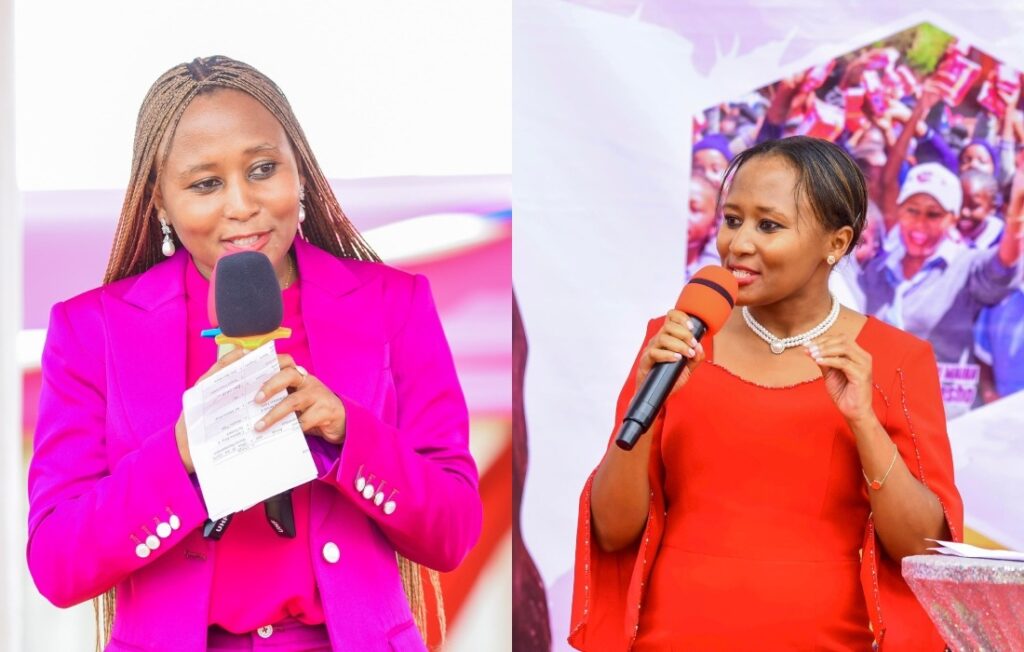
Njeri Maina Responds to MPs Raising Alarm on Sexual Content on TikTok. Photo: Courtesy.
Maina also welcomed the Parliamentary Committee on Public Petitions’ recommendation to reject a proposed ban on TikTok, though she questioned some of the strict regulatory measures suggested in the report.
Maina questioned whether the regulations proposed by the Committee could give the government excessive power that might end up restricting young people’s freedom of expression.
She warned that in some cases, strict controls on communication platforms have been used by authoritarian regimes to suppress dissent and limit fundamental rights and freedoms, raising concerns about how such measures could be applied in Kenya.
At the same time, the women rep echoed the views of other MPs who supported regulating TikTok rather than imposing an outright ban.
Lawmakers called for any regulations to focus specifically on curbing explicit and harmful content, tackling misinformation, and preventing children from accessing age-inappropriate material.
The Parliamentary Committee on Public Petitions has since proposed amendments to the law that would allow state agencies to take a more active role in regulating social media platforms.
The Committee also urged the Ministries of Interior and ICT to develop a framework aimed at strengthening age verification measures on social media platforms.
Additionally, it recommended engagement with TikTok to explore monetisation opportunities, which would enable Kenyan content creators to generate income from the platform.