
Vivo Energy Kenya has issued a notice to customers following fuel shortages reported at Shell service stations across the country.
In a statement released on Thursday, March 26, the company said it has been closely monitoring the situation after some outlets experienced temporary stock-outs linked to increased fuel demand.
Vivo Energy Kenya explained that the surge in consumption had strained supply at certain stations, but assured customers that efforts are underway to restock affected outlets as quickly as possible.
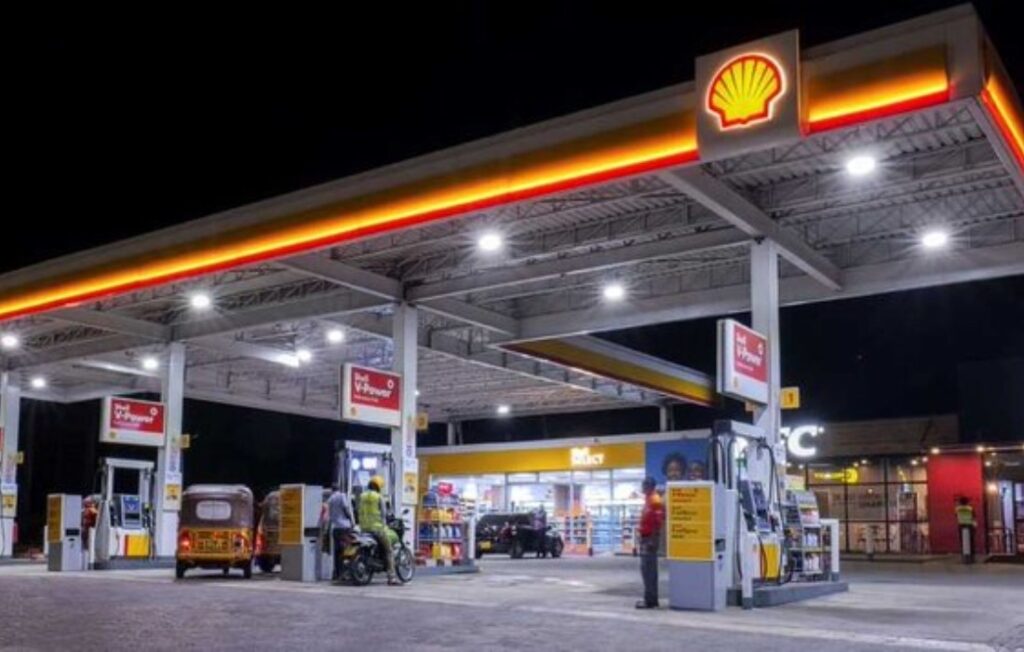
Vivo Energy Kenya Issues Statement Over Fuel Shortages at Shell Stations. Photo: Courtesy.
The company also reaffirmed its commitment to maintaining reliable service across its network, while acknowledging the inconvenience caused and assuring customers of continued support for essential services that rely on its fuel supply.
“We have recently experienced increased demand for our products, which has resulted in temporary stock-outs at some service stations. Our teams are closely monitoring the situation and working continuously to replenish affected sites as quickly as possible. We appreciate your continued patronage and apologize for the inconveniences caused by this and remain fully committed to serving our customers reliably and ensuring that our service stations and the essential services that depend on us stay supplied,” the statement read.
This comes just a few hours after Energy Cabinet Secretary Opiyo Wandayi accused some Oil Marketing Companies (OMCs) of deliberately creating a fuel shortage in the country.
He alleged that certain OMCs were hoarding fuel supplies in anticipation of possible price increases linked to developments in the Middle East.
Wandayi warned that such actions are commercially exploitative, undermine public interest, and violate licensing conditions governing fuel supply in the country.
He reiterated that the government will not approve any increase in pump prices, emphasizing that fuel must continue to be sold at the rates set by the Energy and Petroleum Regulatory Authority (EPRA) in its March 14 review, and directed all licensed OMCs to maintain consistent supply in line with regulatory requirements.

