
The Social Health Authority (SHA) has clarified that a marriage certificate is not required for patients seeking In Vitro Fertilisation (IVF) services under its healthcare cover.
The clarification follows reports that an application for IVF pre-authorisation submitted by a doctor had been rejected after the response listed a marriage certificate or an affidavit among the documents required for approval.
Responding to the matter on Wednesday, June 17, Health Cabinet Secretary Aden Duale said the reference to a marriage certificate was included in error and does not form part of SHA’s official requirements for accessing IVF services.
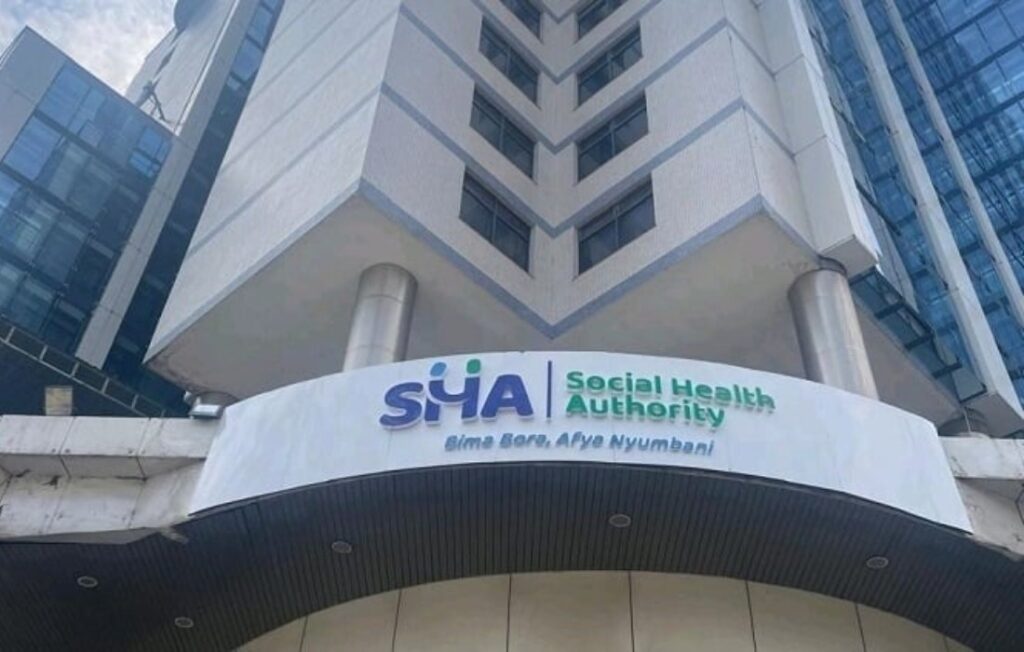
SHA explains IVF access after marriage certificate requirement error. Photo: Courtesy.
He directed the affected hospital to resubmit the application through the appropriate verification and pre-authorisation process for fresh assessment.
The clarification comes weeks after the Teachers Service Commission (TSC) expanded healthcare benefits for teachers by activating IVF services under SHA’s Mwalimu Comprehensive Cover.
In a statement issued on April 30, the commission announced that eligible teachers can now access IVF treatment through accredited healthcare providers under the scheme.
The service was launched at The Nairobi West Hospital, with TSC noting that the benefit became available immediately following SHA’s approval.
Despite dropping the marriage certificate requirement, SHA maintained that applicants must meet strict medical eligibility criteria.
Beneficiaries must be registered under the SHA-POMSF scheme as principal members or their declared spouses and provide evidence of infertility, defined as failure to conceive after 12 months of regular unprotected intercourse or based on a specialist’s assessment.
Applications must also include a clinical diagnosis and a written recommendation from a registered fertility specialist.
The authority further limits each beneficiary to a maximum of two IVF attempts during their lifetime. In addition, the female partner must be aged 41 years or younger at the start of treatment.
SHA also allows both primary and secondary infertility cases to qualify for the benefit. However, applicants seeking treatment for secondary infertility must not have a living child at the time of application.
The IVF benefit will be financed through the existing inpatient limits under the Mwalimu Comprehensive Cover, with treatment costs deducted from each beneficiary’s allocated inpatient cover.