
The World Meteorological Organization (WMO) has warned that El Niño conditions are likely to develop in the coming months, raising concerns over rising global temperatures and shifting rainfall patterns across many parts of the world.
According to the latest WMO climate outlook released on June 2, there is an 80 per cent chance that El Niño will emerge between June and August 2026 in the tropical Pacific Ocean.
Forecast models further indicate that the phenomenon could continue through November, with a high likelihood of reaching moderate to strong intensity.
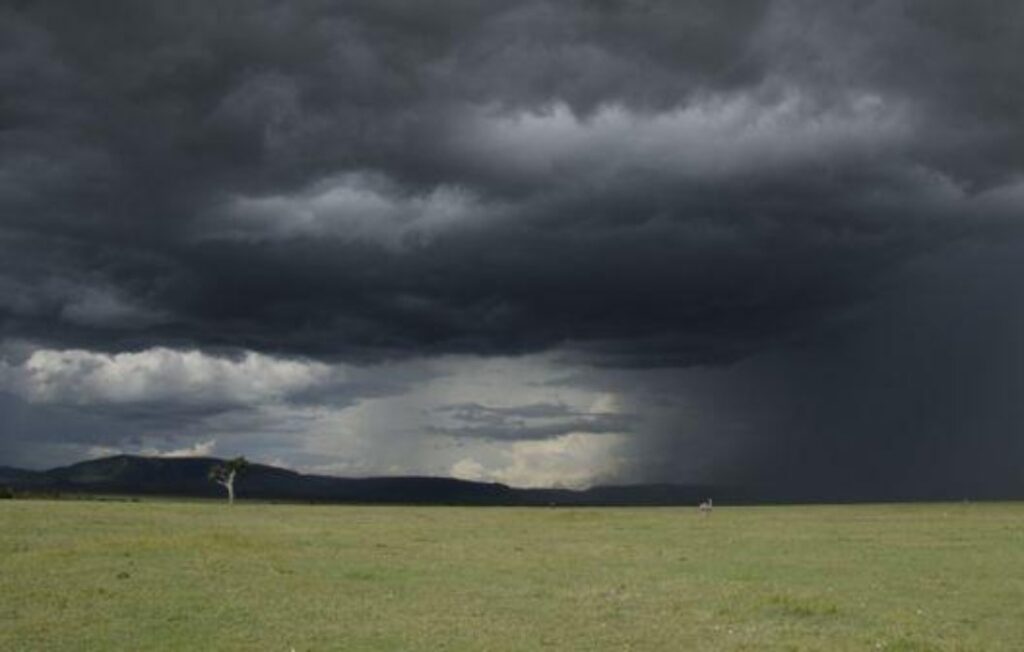
WMO issues El Niño warning. Photo: Courtesy.
Meteorologists say unusually warm waters beneath the surface of the Pacific Ocean are fueling the development of El Niño. The warming stretches across parts of the western Pacific, including areas near Indonesia, the Philippines, and Papua New Guinea, and is expected to influence weather systems worldwide.
Seasonal forecasts point to above-average temperatures across most regions between June and August, increasing the risk of heat-related impacts in many countries.
In Africa, El Niño is expected to affect rainfall patterns, particularly in eastern and southern parts of the continent.
The Horn of Africa, including Kenya, Somalia, Ethiopia, Eritrea, Djibouti, and South Sudan, is projected to experience wetter-than-normal conditions during the outlook period.
The anticipated increase in rainfall could heighten the risk of flooding, landslides, crop losses, and damage to infrastructure, posing challenges to food security and livelihoods in vulnerable communities.
Climate experts note that El Niño events are often associated with more extreme weather conditions, including excessive rainfall in some regions and drought in others.
For Kenya, the warning carries particular significance given the country’s history with El Niño-related disasters.
The 1997–1998 El Niño episode triggered widespread flooding, landslides, and extensive destruction of infrastructure across the country.
More recently, the 2023–2024 El Niño event, combined with a positive Indian Ocean Dipole, caused devastating floods that displaced hundreds of thousands of people and left significant damage to homes, roads, and livelihoods in several parts of Kenya.