
Amnesty International Kenya has appointed George Morara as its new Executive Director, marking a leadership transition at one of the country’s leading human rights organizations.
In a statement issued on Thursday, May 28, Amnesty Kenya announced that Morara will officially assume office on June 2, 2026, following a competitive recruitment process that was launched in February.
The organization said Morara brings more than 30 years of experience in governance, public accountability, and human rights advocacy.
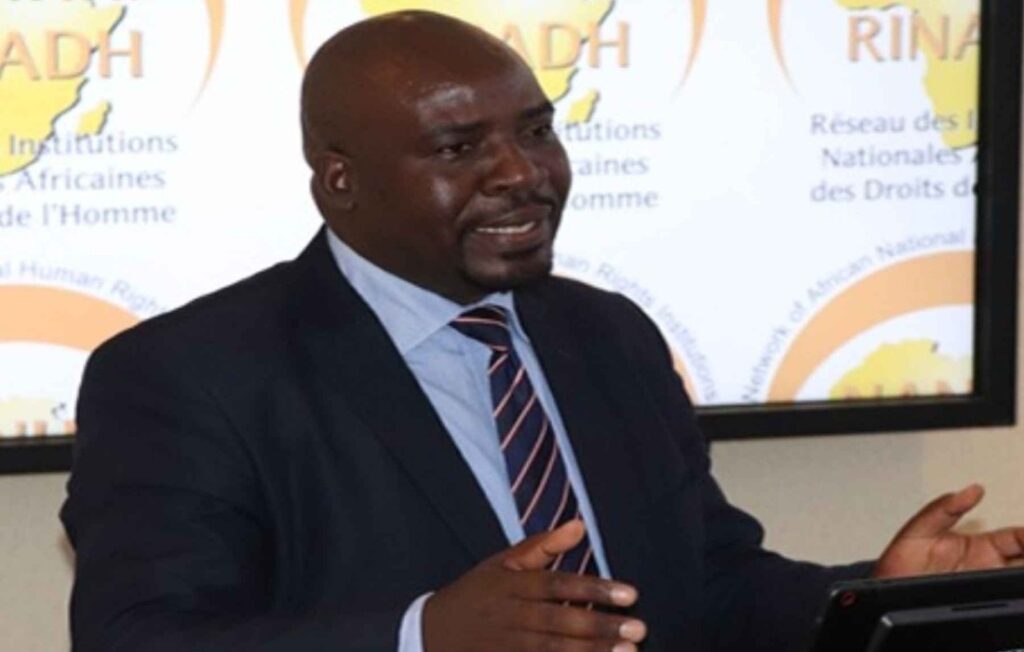
Amnesty International Kenya appoints George Morara as new Executive Director. Photo: Courtesy.
Throughout his career, he has held several leadership positions and is widely recognized for his contribution to constitutionalism, transparency, and civic engagement.
Amnesty Kenya noted that Morara previously served as Vice-Chairperson of the Kenya National Commission on Human Rights and has played a significant role in advancing governance and human rights initiatives in the country.
The organization expressed confidence in his ability to lead Amnesty International Kenya during a critical period for human rights in Kenya and the wider East African region.
It stated that his experience, leadership credentials, and commitment to public service position him well to guide the organization into its next phase.
Morara succeeds Irũngũ Houghton, who is set to leave the position after serving as Executive Director for eight years.
Amnesty Kenya paid tribute to Houghton for his leadership and contribution to the organization during his tenure.
The organization credited him with strengthening Amnesty Kenya’s public engagement efforts while maintaining an independent and principled approach in its interactions with government institutions, businesses, diplomatic missions, and civil society organizations.
The transition follows an announcement made on February 6 by Amnesty International Kenya Board Chairperson Stellah Bosire, who confirmed that Houghton would conclude his tenure in June 2026.
Bosire described Houghton’s leadership period as one characterized by significant institutional growth, organizational reforms, and enhanced financial sustainability.
She also highlighted the expansion of the organization’s grassroots membership and the strengthening of its independence over the years.
Reflecting on his tenure, Houghton previously noted that Amnesty Kenya had achieved key objectives set at the beginning of his leadership, including growing membership, diversifying funding sources, strengthening advocacy campaigns, and completing the transition from an International Secretariat office to an independent, member-governed national section.
The appointment of Morara signals the beginning of a new chapter for Amnesty International Kenya as the organization continues its work in promoting and protecting human rights across the country.