
Just two weeks before the Energy and Petroleum Regulatory Authority (EPRA) reviews pump prices, global oil prices have surged sharply following Iran’s closure of a strategic shipping route amid escalating tensions with the U.S. and Israel.
On March 1, Iran closed the Strait of Hormuz, a critical chokepoint handling about 20% of global oil and gas flows.
The shutdown has brought international shipping to a halt, pushing fuel prices higher worldwide.
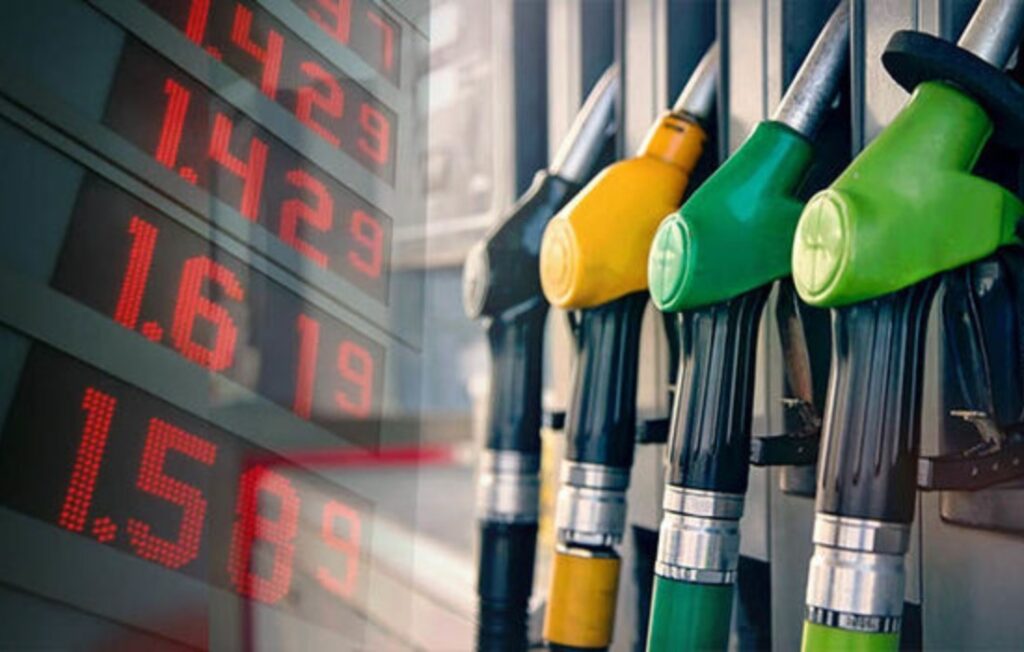
Fuel Prices Surge Amid Strait of Hormuz Closure, Global Oil Jumps. Photo: Courtesy.
In Kenya, this development is expected to drive up pump prices, with global oil projected to exceed KSh 12,800 (USD 100) per barrel.
The landing cost, a key component in EPRA’s pricing formula, will inevitably be affected.
Although the government has secured a G-to-G deal with Saudi companies to transport oil to Kenya, the arrangement faces potential disruption due to the regional instability.
While the government’s deal with Saudi suppliers includes fixed freight rates, the conflict in Iran may force oil shipments to take longer, more expensive insurance routes, pushing fuel prices higher.
The Strait of Hormuz remains the most cost-effective passage for transporting oil and gas from Gulf countries, including Saudi Arabia and the UAE.
Alternative routes around Africa are significantly longer and more expensive.
These additional costs mean that even if oil supplies are available, the final pump prices in Kenya are likely to increase to cover the higher transport expenses.
In its most recent review, EPRA had reduced fuel prices for the period from mid-February to mid-March, following a drop in the landing cost of imported petroleum.
The reductions reflected lower import costs at the time, which translated into lower pump prices across petrol, diesel, and kerosene.
During the same period, the landed cost of diesel and kerosene also fell, contributing to a temporary reduction in fuel prices.
However, even before Iran’s closure of the Strait of Hormuz, escalating tensions in the country had already pushed global crude oil prices sharply higher, reaching their highest levels in several months.