President William Ruto has responded to critics opposing his move to remove the extra ID vetting process subjected to border communities, emphasizing that he is ‘unapologetic’ for making the directive.
Speaking during the burial of the father of the Senate Speaker Amason Kingi in Kilifi, Ruto noted that he was shocked to see that some people opposed the move.
The head of state affirmed that scrapping the extra vetting process in these communities is not only a fulfillment of his promise to Kenyans to ensure equity in the country but also aligns with the constitutional rights of Kenyans.

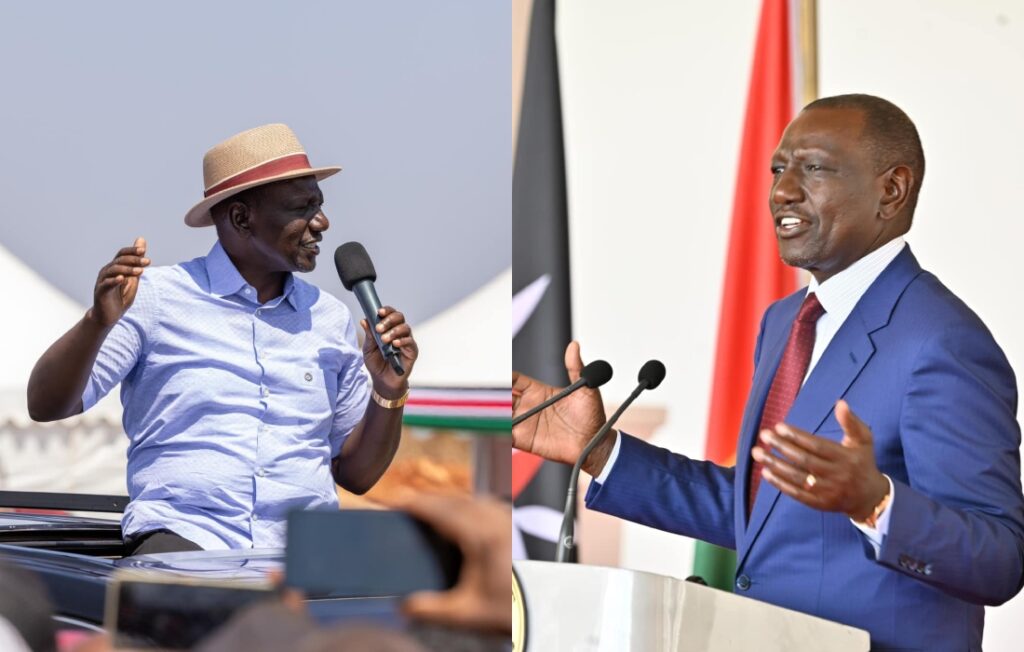
President Ruto defends his move to end ID vetting. Photo: Courtesy.
“I have had the luck to be the president, and I have said that if I also get the luck again, I’ll work with every Kenyan, whether you voted for us or not because we are all Kenyans. For so long, some Kenyans have been feeling discriminated against, and that’s why I said I’ll lay out strategies that will ensure equity among Kenyans,” he said.
The president moreover affirmed that his administration will not shy away from executing strategies that will reinforce equity and economic development in the country, even if it subjects him to criticism.
“Many people are being angered by the move to find equity for Kenyans, but I want to tell them that I’m very sorry, we must find equity. It does not mean that IDs should be given anyhow, there is a protocol to be followed, but this protocol should be followed by every Kenyan, and I am shocked that there are people who have a problem with that,” he said.
In the beginning of this month, Ruto abolished the extra vetting process for residents in all border areas of the country.
Through a Presidential Proclamation, signed in Wajir town, Ruto abolished the Nairobi process, which has often delayed the issuance of crucial documents to residents from six counties, including Tana River, Mandera, Garissa, Wajir, Isiolo, and Marsabit.
However, several leaders, including the Trans Nzoia Governor George Natembeya, criticized the move noting that it was ill-advised and attracted serious diplomatic and security implications.